
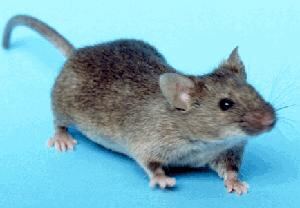
Rodents are more than a nuisance — they're a serious property risk. Mice and rats gnaw on nearly everything, and electrical wiring is one of their favourite targets. In Ontario, rodent-related electrical damage is one of the leading causes of house fires that get blamed on 'faulty wiring'. Here's what you need to know.
1. Why Rodents Chew Wires
Rodent teeth never stop growing, so they have to gnaw constantly to keep them worn down. Electrical cables are the perfect texture — soft enough to chew, hard enough to grind. And because wiring often runs through wall voids, attics, and basements (exactly where rodents nest), it's right in their path.
2. The Real Risk: Fires
When a rodent chews through the insulation around a live wire, it exposes the conductor. If the exposed wire touches wood, paper insulation, or another wire, it can spark and ignite. According to fire safety experts, rodent-damaged wiring is a significant contributor to residential fires in Canada — and it's almost always preventable.
3. Other Damage Beyond Wiring
Beyond electrical hazards, rodents damage insulation in walls and attics (which raises your heating bill), chew through PVC plumbing pipes (causing leaks), destroy stored items in basements and garages, and contaminate food and surfaces with droppings and urine. A single mouse can cause thousands of dollars in damage in a few months.
4. Warning Signs to Watch For
You might have a rodent problem if you notice: droppings in the kitchen, basement, or under sinks; gnaw marks on food packaging or wires; scratching sounds at night in walls or ceilings; a musty, ammonia-like smell; or pets staring intently at walls. Flickering lights or tripping breakers without an obvious cause can also indicate damaged wiring.
5. What To Do If You Suspect Damage
Never try to inspect or repair rodent-damaged wiring yourself. Turn off the affected circuit at the breaker if you suspect damage, and call both a licensed electrician (to inspect and repair) and a pest control professional (to remove the rodents and prevent their return). Treating one without the other almost always leads to repeat problems.
6. Prevention That Actually Works
Exclusion is the key. Seal every gap larger than a pencil eraser around pipes, cables, vents, and foundations using steel wool and caulk. Keep basements and attics dry and clutter-free. Store food in sealed containers. Trim tree branches away from the roof. And if you've had rodents before, book a professional inspection — they often return to the same entry points.
Prevention Checklist
- Seal gaps around pipes, vents, and foundations with steel wool + caulk.
- Keep basements and attics dry, well-lit, and clutter-free.
- Store food (including pet food) in sealed metal or glass containers.
- Trim trees and shrubs away from your home's exterior walls.
- Inspect wiring in attics and basements annually for gnaw marks.
- Book a professional rodent inspection if you've had issues before.
Conclusion
Rodents aren't just unpleasant — they're dangerous. If you suspect mice or rats in your home, don't wait. The longer they stay, the more damage they cause. PESTEXIT provides humane rodent removal, exclusion, and prevention so the problem doesn't come back. Protect your home, your wiring, and your family.
Ready to Live Pest-Free — the Eco-Friendly Way?
Whether you're dealing with unwanted pests or wildlife intrusions, our expert team is ready to help with safe, humane, and effective solutions. Don't wait for the problem to get worse.